Delusion Ending Explained: In Delusion, Wan learns about her father’s worsening mental condition in the midst of a slew of murders in which he becomes the main suspect. With superstitions swirling about, Wan races against time to prove his father’s innocence but that comes at the cost of learning the shocking truth about her own family.
The disturbing psychological thriller takes viewers on a journey where no one is safe and everything that we know about Wan and her family turns out to be false. What initially looks like a supernatural mystery slowly becomes apparent: there’s more to the story than meets the eye. Years in the making, the consequences of the past catch up and force the family to confront long-buried secrets.
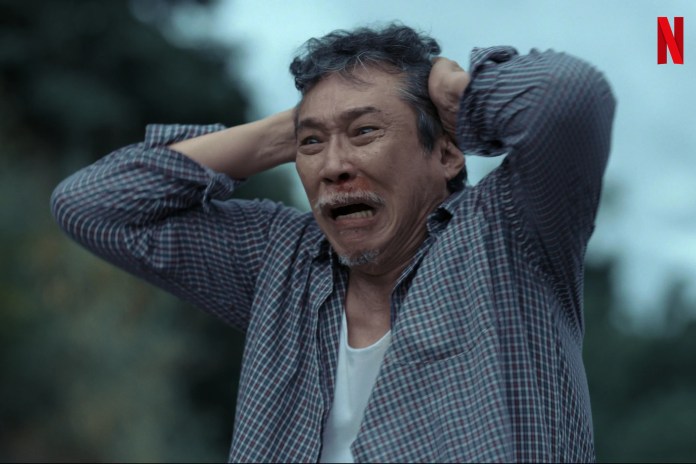
The 6-episode series (ภาพลวงตาย) stars Natapohn Phornprapha, Jespipat Tilapornputt, Surasak Chaiyaat, Tom Sirani Yankittikan, August Vachiravit Paisarnkulwong, Norraphat Nakadumrongchai, Boombim Samtone, and Suttawat Settakorn, and is directed by Chayan Laoyodtrakool.
Delusion Ending Explained
What Happens in Delusion?
The series starts off with a young child going missing and his desecrated remains found deep inside the forest. The villagers of Chiang Khan, Loei Province, find themselves doubting Narong, who is acting erratically due to dementia. Desperate to get his father help, Wan arrives back home to help her father, along with her brother Wat. The series eventually showcases an emotional story involving the villagers’ superstitions surrounding an evil entity called Phii Pong, which makes Narong an easy target.
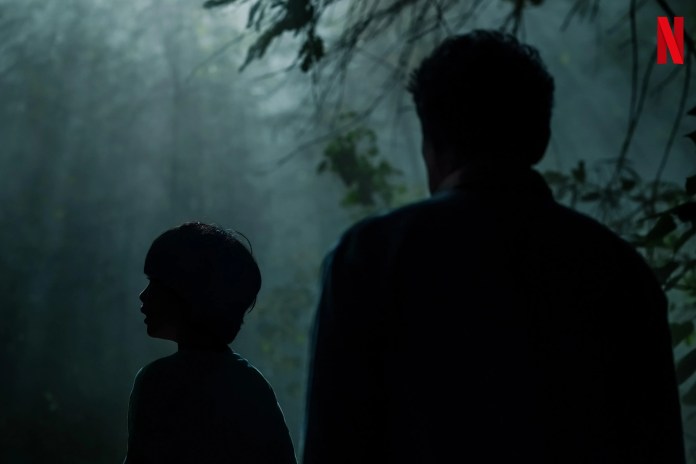
Thankfully, newly transferred police officer Pete chooses to follow the evidence and realises that the current string of murders are connected with similar cases in the past in different provinces, which makes him all the more sure that there’s more to the story than meets the eye.
Is Narong Really the Killer?
Throughout the runtime, we see Narong’s increasingly erratic behaviour making him an easy target, even in the eyes of the audience. Plus, his trying to drown Aim in the river doesn’t help. In the end, though, the answer is even more complex than anyone could’ve imagined. While his character aims to blur the lines between not remembering and hiding something, it becomes evident that he is not the killer but knows more than he’s letting on. Eventually, we learn that the answers are not supernatural but buried deep within Wan’s own family.
Who Is the Real Killer?

Wan and Pete eventually learn that Narong, Panee and Sak have been trying to keep a secret buried in their family for years, and the real killer is Wat. After being bullied when he was young, Wat became mentally disturbed and believed that he must punish those who don’t deserve to stay alive. He has been the one killing all of these people as a result of a skewed sense of handing out justice. Sak eventually started to blackmail the family to get their land and their money, which eventually ended in Sak getting murdered as well for being too greedy.
Wat almost kills Wan too to save himself but eventually tells her to act like a sister this time around, mentioning how she was there when he was being bullied for the first time when he was young. If she had intervened then, he probably wouldn’t be the way that he is now.
The cabin becomes important here as it holds all the secrets to Wat’s wrongdoings, including the body of the first boy he had killed. After Panee burns it to the ground, Pete arrests her after he realises that the family is hiding something important.
Is Phii Pong Real in Delusion?

Another surprising revelation in Delusion is that Phii Pong is an entity made up by Sak to get money out of the villagers. After the first murder took place, Sak killed another boy and blamed it on Phii Pong, after which he turned himself into a shaman to use villagers’ fears and make money off of them. This also emboldened Sak to want more and more from Wan’s family and made them poor as a result.
However, the entity really exists in Thai folklore and is said to be created when someone practising dark magic fails to control their sorcery.
Is the Killer Apprehended?

At the end of the series, we see that Wat goes free as Wan and her family refuse to say anything to protect him. On the other hand, Pete, who has evidence that every murder that has taken place has happened when Wat was in that location, doesn’t follow through with the investigation because there is no irrefutable evidence to support him claims. He is eventually transferred again, but implores Wan to stop protecting her brother, to put an end to this violent cycle.
What Does the End of Delusion Mean?

The ending signifies Wan turning a fresh chapter after finally confronting the dark secrets that her family have kept hidden for so long. The ending showcases that everything is about perception and that parents will go to any lengths to protect their children. Wan, too, confronts her role in her brother’s descent into madness, although we will never know whether it could’ve changed his life’s trajectory.
The series also highlights how superstitions can make people blind to reality and finding the real culprit of the crimes and how much mental health issues are still misunderstood.
Thai series Delusion is streaming on Netflix right now. What are your thoughts on the series? Let us know in the comments below!
Also Read:
